Configuring a receiver with the correct technical parameters ensures that channels are captured during the scanning process without interruption. The frequency, symbol rate, polarization, and Forward Error Correction must all match the latest broadcast settings to avoid issues such as pixelation or missing channels. This precision is essential for stable and high-performing reception.
However, the receiver settings alone cannot guarantee perfect signal quality. The physical setup of the satellite dish—including its alignment, cable quality, and connector condition—has a direct impact on overall signal strength. Maintaining these components helps eliminate interference and ensures consistent reception.
With accurate data and a properly maintained installation, viewers achieve a smooth and optimized satellite experience. The combination of correct tuning and high-quality equipment ensures continuous access to a wide range of channels with clear and reliable performance.
Correctly entering each parameter into the receiver reduces the chances of encountering glitches, missing channels, or weak signals. Frequencies, symbol rates, and polarization values must be aligned with the broadcaster’s latest configuration to ensure effective signal capture. This process significantly improves reception quality.
In addition to technical parameters, the setup of the satellite dish plays a crucial role in signal performance. Proper alignment toward the satellite, durable cabling, and well-maintained equipment help ensure stable reception even during adverse weather conditions. Each component contributes to a stronger and more consistent signal.
When users combine updated frequency data with a properly installed satellite system, they achieve a balanced and optimized viewing experience. Equipped with accurate information and effective installation, viewers can resolve issues quickly and maintain reliable access to all their preferred channels.
Correctly entering each parameter into the receiver reduces the chances of encountering glitches, missing channels, or weak signals. Frequencies, symbol rates, and polarization values must be aligned with the broadcaster’s latest configuration to ensure effective signal capture. This process significantly improves reception quality.
In addition to technical parameters, the setup of the satellite dish plays a crucial role in signal performance. Proper alignment toward the satellite, durable cabling, and well-maintained equipment help ensure stable reception even during adverse weather conditions. Each component contributes to a stronger and more consistent signal.
When users combine updated frequency data with a properly installed satellite system, they achieve a balanced and optimized viewing experience. Equipped with accurate information and effective installation, viewers can resolve issues quickly and maintain reliable access to all their preferred channels.
Applying the correct receiver settings ensures that the scanning process identifies all channels accurately. The frequency, symbol rate, and Forward Error Correction must all match the latest parameters to achieve optimal performance. When configured correctly, the system delivers strong, stable, and clear signal reception.
However, accurate tuning is only part of the equation. The installation quality—including dish alignment, cable condition, and receiver maintenance—has a direct impact on signal strength. A well-adjusted system minimizes interference and helps maintain consistency even during weather changes.
With a blend of updated frequency guidance and technically sound installation, satellite viewers can enjoy uninterrupted access to hundreds of channels. By following the latest data and performing proper adjustments, users ensure the best viewing experience with minimal effort.
Correctly entering technical parameters into the receiver greatly reduces the likelihood of reception issues. By ensuring the frequency, symbol rate, polarization, and error correction values are accurate, viewers can achieve reliable channel scanning and improved signal stability. This careful attention to detail enhances the overall viewing experience.
The effectiveness of these settings, however, relies heavily on the installation quality of the satellite equipment. Proper dish positioning and high-quality cabling minimize signal loss and maintain stable connections. Even minor installation improvements can significantly enhance reception levels.
With the right technical data and a well-installed satellite system, viewers can enjoy uninterrupted broadcasts and faster channel restoration. This combination ensures a smooth and consistent experience across all satellites and channels.
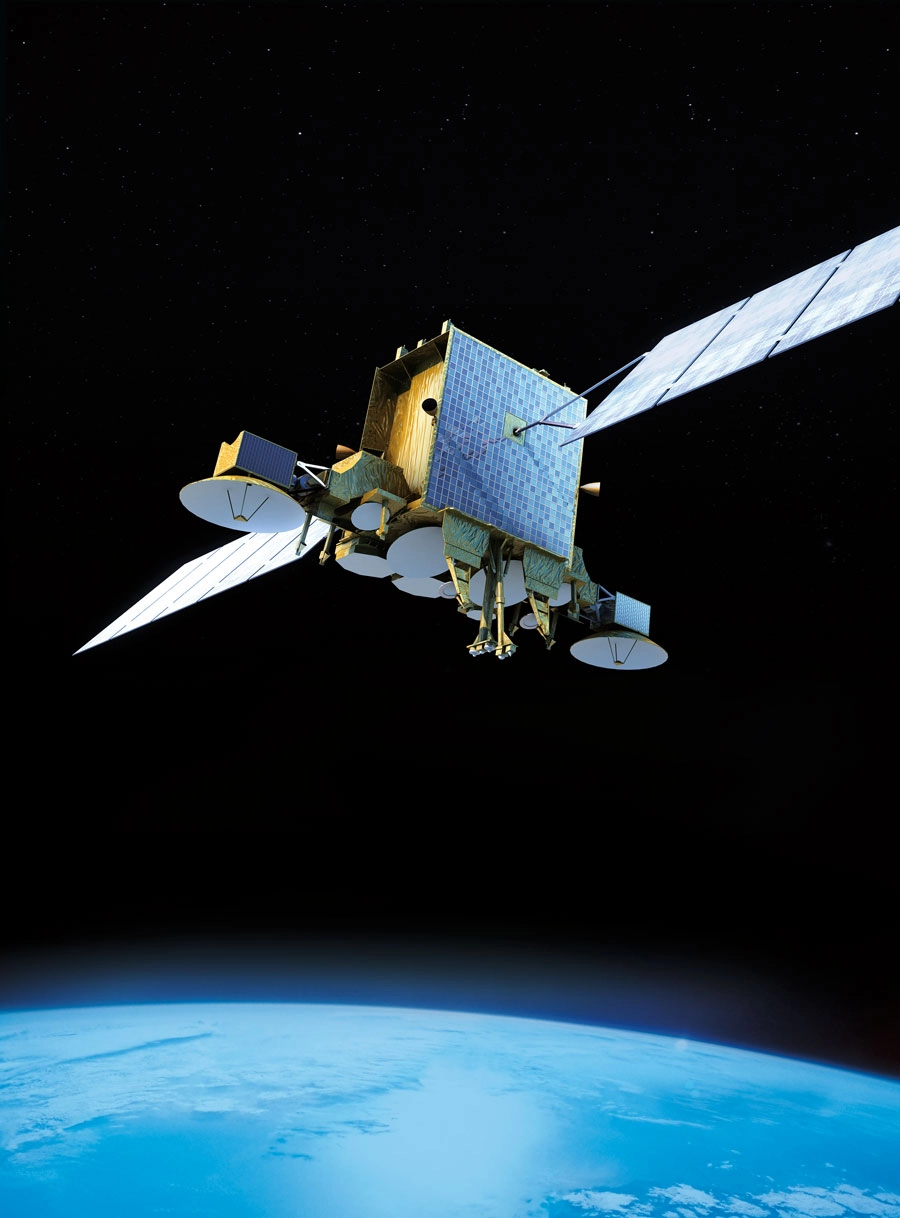
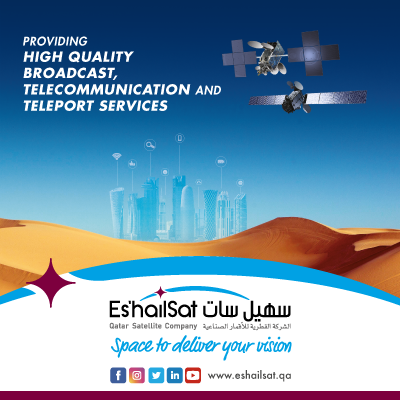
SuhailSat is Qatar’s flagship satellite, offering high-quality broadcasting and communication services across the Middle East, North Africa, and parts of Europe. Operated by Es’hailSat, the company founded in Doha, SuhailSat represents a major step in Qatar’s ambitions to become a leader in space technology and satellite broadcasting.
Launched to provide secure, reliable, and high-performance satellite services, SuhailSat supports television channels, broadband internet, and secure communications for both governmental and commercial clients.
🚀 On the subject of SuhailSat
The name SuhailSat is inspired by the Arabic name for the Canopus star (Suhail), one of the brightest stars in the sky, symbolizing clarity and excellence.
Currently, the SuhailSat program includes:
-
Es’hail-1 (launched in 2013)
-
Es’hail-2 (launched in 2018)
Both satellites are stationed at 25.5°/26.0° East orbital positions, which makes them ideal for coverage across the MENA region and parts of Europe.
🛰️ SuhailSat Features and Services
SuhailSat offers a wide range of services, including:
-
HD and 4K TV broadcasting: Delivering premium quality video services.
-
Secure communications: Especially important for governmental and military operations.
-
Broadband and internet services: Supporting businesses and ISPs across the region.
-
Media transmission: Used extensively by major TV networks for reliable and clear signals.
Notably, Al Jazeera Media Network and beIN Sports use SuhailSat for their broadcasting services.
📡 How to Receive SuhailSat Signals
Receiving SuhailSat channels is easy if you have the proper satellite dish setup aligned towards the 25.5°/26.0° East orbital slot.
Common Reception Requirements:
-
Satellite Dish Size: 90 cm to 120 cm (depending on your region)
-
LNB: High-quality Universal LNB
-
Receiver: Compatible with DVB-S2, HD, or UHD standards
Example Frequencies:
-
11270 V 27500 2/3 (HD channels)
-
11642 H 27500 2/3 (News and entertainment)
For updated frequencies and detailed setup instructions, FreqSatellite provides the most accurate and latest satellite information.
🌐 SuhailSat Coverage
SuhailSat offers excellent coverage over:
-
Qatar
-
Arabian Gulf countries
-
North Africa
-
Levant region
-
Parts of Europe
Its powerful beams ensure a reliable and strong signal quality, even in remote areas.
SuhailSat stands as a symbol of technological innovation in Qatar, providing secure and high-quality satellite services to millions of viewers and businesses. Whether you’re tuning into your favorite TV channels, setting up broadband satellite internet, or managing secure communications, SuhailSat offers a reliable solution.
For full frequency lists, satellite settings, and the latest updates, visit FreqSatellite — your ultimate guide for satellite technology
Correct receiver configuration plays a key role in achieving strong signal reception. Entering the precise frequency, symbol rate, and polarization values ensures minimal interference and clear audio-visual quality.
Installation quality is equally important, as a well-positioned dish and quality cabling prevent interruptions. Proper maintenance supports long-term reliability and consistent performance.
By combining updated frequency knowledge with a well-installed satellite system, viewers enjoy uninterrupted access to channels and a high-quality viewing experience.
Correctly applying the frequency, symbol rate, and Forward Error Correction values ensures optimal performance and reduces common reception problems. Accurate tuning makes channel restoration quick and efficient, improving both picture and sound quality.
Additionally, proper dish alignment and high-quality cables enhance signal strength and stability. When these elements are combined, viewers experience reliable broadcasting and long-term satisfaction.
Precise configuration of frequency, symbol rate, and polarization values improves signal quality and minimizes common reception problems. This careful setup leads to a smoother and more enjoyable viewing experience.
When accurate tuning is combined with proper dish alignment and quality cabling, the satellite system performs optimally. Viewers benefit from stronger signals and stable, uninterrupted broadcasts.
Entering accurate frequency data, including symbol rate and Forward Error Correction, ensures receivers capture channels correctly. Even slight errors in these parameters can lead to missing channels or weak signals.
Modern receiver tools, such as auto-scan and blind scan, help users find channels efficiently, but the most reliable results come from combining these tools with precise manual tuning.
The quality of the installation plays a key role in signal stability. Proper dish alignment, secure mounting, and high-quality cables all contribute to stronger, uninterrupted reception.
Regular maintenance ensures long-term performance and prevents sudden drops in signal quality. Attention to these details enhances overall viewing reliability.
With accurate frequency knowledge and proper installation, viewers experience a consistent and enjoyable satellite broadcast environment.
Accurate frequency entry ensures receivers lock onto channels effectively, delivering clear and stable signals. Symbol rate, polarization, and FEC values must be configured precisely to avoid common tuning issues.
Advanced scanning tools in modern receivers simplify the process, but manual adjustments remain the most reliable method for optimal performance. Combining automatic and manual techniques often yields the best results.
Dish alignment and quality installation are equally critical. A well-positioned dish and durable cables prevent signal drops and interference. Minor adjustments can significantly improve overall reception quality.
Routine maintenance of the system ensures long-term performance and reduces the likelihood of disruptions. Even small improvements in installation often result in noticeable gains in stability and signal clarity.
With the right combination of accurate frequency data and solid technical installation, viewers enjoy reliable access to all channels, high-quality visuals, and uninterrupted audio.
This approach ensures a seamless, enjoyable, and professional satellite viewing experience that adapts to all future frequency updates.