Correctly entering each parameter into the receiver reduces the chances of encountering glitches, missing channels, or weak signals. Frequencies, symbol rates, and polarization values must be aligned with the broadcaster’s latest configuration to ensure effective signal capture. This process significantly improves reception quality.
In addition to technical parameters, the setup of the satellite dish plays a crucial role in signal performance. Proper alignment toward the satellite, durable cabling, and well-maintained equipment help ensure stable reception even during adverse weather conditions. Each component contributes to a stronger and more consistent signal.
When users combine updated frequency data with a properly installed satellite system, they achieve a balanced and optimized viewing experience. Equipped with accurate information and effective installation, viewers can resolve issues quickly and maintain reliable access to all their preferred channels.
Entering the correct receiver data is essential for successful channel scanning. Each parameter—frequency, symbol rate, and Forward Error Correction—must be programmed precisely to ensure strong reception and reduce technical issues. Proper configuration helps viewers enjoy smoother performance and prevents disruptions during channel searches.
Beyond tuning, the stability of the signal is also determined by the physical installation of the equipment. A properly aligned dish, secure mounting, and high-quality cables ensure that the signal remains strong even when weather conditions fluctuate. Routine maintenance keeps the system performing at its best.
When viewers combine accurate frequency updates with a well-maintained installation, they unlock the full potential of their satellite systems. This balanced approach guarantees clearer reception, stronger signals, and seamless access to all updated channels.
Configuring a receiver with the correct technical parameters ensures that channels are captured during the scanning process without interruption. The frequency, symbol rate, polarization, and Forward Error Correction must all match the latest broadcast settings to avoid issues such as pixelation or missing channels. This precision is essential for stable and high-performing reception.
However, the receiver settings alone cannot guarantee perfect signal quality. The physical setup of the satellite dish—including its alignment, cable quality, and connector condition—has a direct impact on overall signal strength. Maintaining these components helps eliminate interference and ensures consistent reception.
With accurate data and a properly maintained installation, viewers achieve a smooth and optimized satellite experience. The combination of correct tuning and high-quality equipment ensures continuous access to a wide range of channels with clear and reliable performance.
Accurate tuning begins with entering the correct frequency parameters into the receiver, including the updated transponder, symbol rate, and Forward Error Correction. These values work together to maintain strong reception and ensure that each channel appears clearly during the scanning process. When properly configured, users experience fewer issues related to signal drops or incomplete scans.
Technical installation also plays a major part in achieving stable and high-quality reception. Proper dish alignment, solid mounting, and clean signal pathways through high-quality cables contribute to minimizing interference and maintaining consistent performance. Even slight adjustments can produce significant improvements.
Combining updated frequency data with a well-installed satellite system gives users a reliable and complete viewing experience. This approach ensures quick channel recovery, strong signal stability, and seamless access to satellite broadcasts across various satellites.
Configuring receivers with the correct technical values reduces the likelihood of missing channels or encountering weak signals. Each parameter—frequency, symbol rate, polarization, and Forward Error Correction—plays a fundamental role in achieving stable reception. Proper tuning ensures that every scanned channel appears with sharp audio-visual quality.
Beyond frequency configuration, the physical aspects of installation cannot be overlooked. The satellite dish must be aligned precisely to the satellite’s orbital position to capture the strongest possible signal. Weather-resistant cables and clean connectors also help maintain long-term performance without interruptions.
By combining updated transponder information with a carefully installed satellite system, viewers unlock a smooth and uninterrupted viewing experience. With easy access to verified data, users can make confident adjustments and enjoy reliable broadcasting at all times.
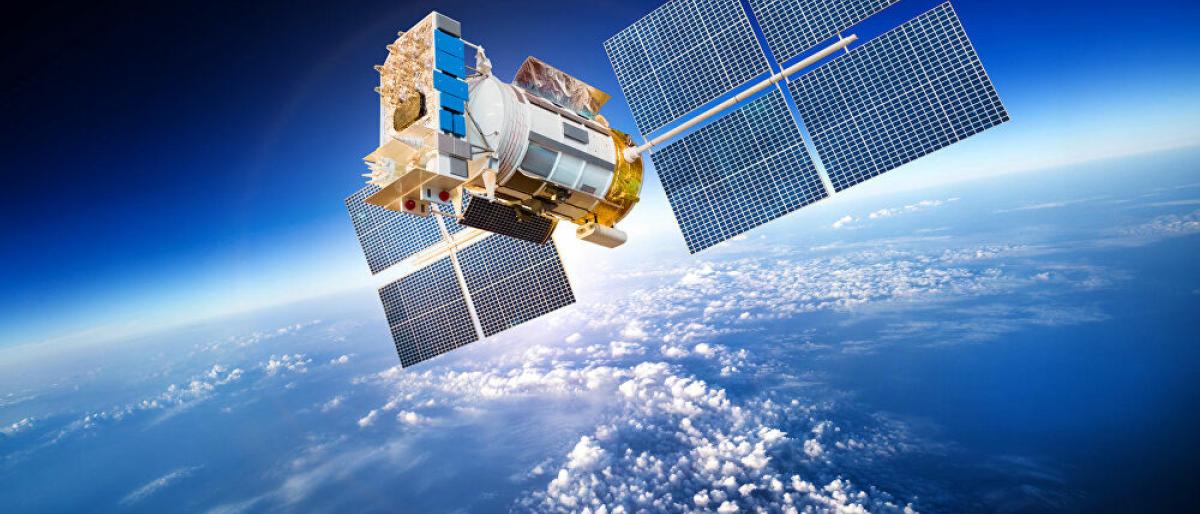
Satellites have revolutionized modern communication, broadcasting, navigation, and weather monitoring. From watching international news channels to using GPS while driving, satellites are an essential part of our daily lives. In this article, we explore what satellites are, their orbital types, and how to receive their signals at home.
🌍 What Is a Satellite?
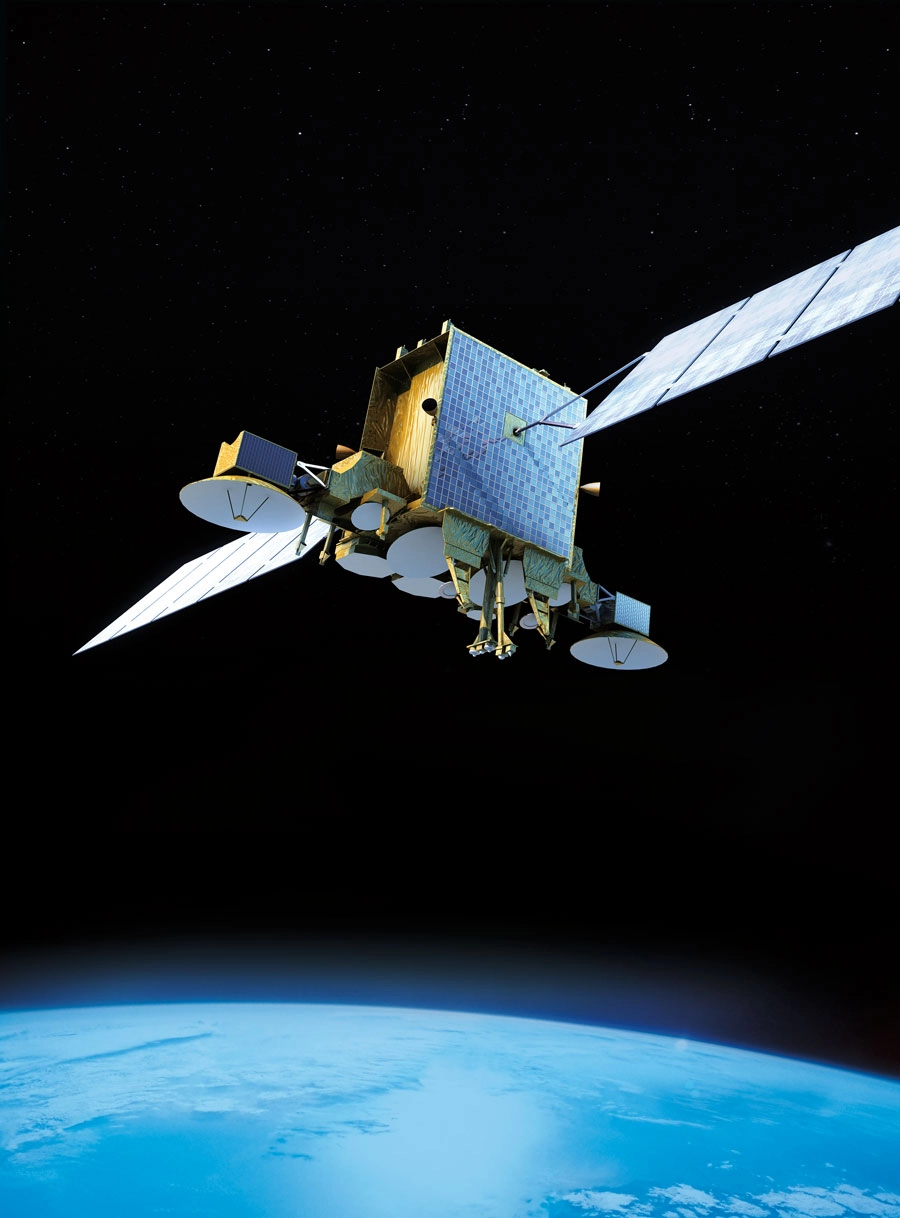
A satellite is an artificial object launched into space to orbit a planet or other celestial body. Satellites are used for a wide range of applications, including:
-
Television and radio broadcasting
-
Internet and telecommunication
-
GPS and global navigation
-
Military reconnaissance
-
Weather forecasting and climate research
-
Earth observation and scientific exploration
🧭 Types of Satellite Orbits
Satellites orbit the Earth at different heights depending on their mission. The three main types of satellite orbits are:
1. LEO – Low Earth Orbit (160 km – 2,000 km)
-
Orbits Earth in 90–120 minutes
-
Used for: internet (e.g., Starlink), Earth imaging, space stations (ISS)
-
Low latency and high resolution
-
Requires many satellites for global coverage
2. MEO – Medium Earth Orbit (2,000 km – 35,786 km)
-
Orbits Earth in 2–12 hours
-
Used for: GPS, GLONASS, Galileo navigation systems
-
Balanced latency and coverage
-
Fewer satellites needed than LEO
3. GEO – Geostationary Orbit (35,786 km)
-
Remains fixed over one location on the equator
-
Orbits the Earth in 24 hours (same as Earth’s rotation)
-
Used for: TV broadcasting (e.g., Nilesat, Hotbird), communications, weather satellites
-
Provides constant coverage of a large area
-
Higher latency but ideal for broadcasting
📡 How to Receive Satellite Signals at Home
To watch satellite TV or receive satellite data, you need a satellite reception system. Here’s how it works:
🧰 Essential Components:
| Component | Function |
|---|---|
| Satellite Dish | Captures signals from the satellite and reflects them to the LNB |
| LNB (Low-Noise Block) | Converts and amplifies signals from the satellite into usable frequencies |
| Receiver (Decoder) | Translates satellite signals into video/audio or data |
| TV or Monitor | Displays the content |
🛰️ Steps to Receive a Satellite Signal:
-
Choose the Right Satellite:
Example: Hotbird (13°E), Nilesat (7°W), Astra (19.2°E) -
Position the Dish:
-
Use a compass or satellite finder to align the dish to the satellite’s position.
-
Adjust azimuth (left/right), elevation (up/down), and skew (LNB tilt).
-
Fine-tune the signal using a signal meter or the receiver’s signal strength screen.
-
-
Connect the Equipment:
-
Connect LNB to the receiver using a coaxial cable.
-
Connect the receiver to your TV using HDMI or AV cables.
-
-
Scan for Channels:
-
Use your receiver’s menu to scan transponders or manually enter frequency settings.
-
Example:
-
- Save Channels and Enjoy!
💡 Tips for Better Signal Quality:
-
Use a high-quality dish (at least 60–80 cm for most satellites).
-
Ensure there are no obstacles (trees, buildings) between the dish and the sky.
-
Secure the dish firmly to avoid movement due to wind.
-
Weather can affect signal—especially heavy rain (known as rain fade).
🛰️ Popular Broadcasting Satellites:
| Satellite Name | Orbital Position | Usage |
|---|---|---|
| Nilesat | 7° West | Arabic and African channels |
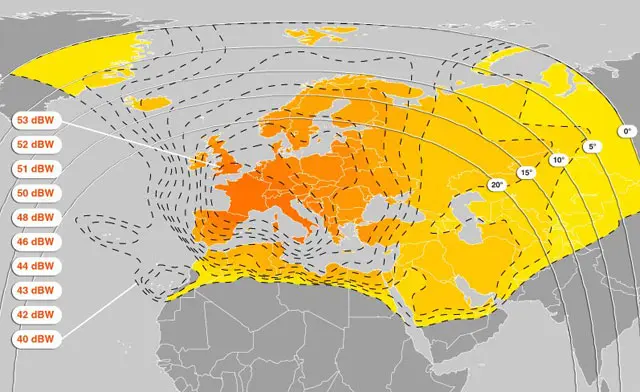
| Hotbird | 13° East | European and some Arabic TV |
| Astra 19.2°E | 19.2° East | Western European channels |
| Galaxy 19 | 97° West | North American international TV |
Entering precise frequency parameters in the receiver, including symbol rate, polarization, and Forward Error Correction, guarantees better signal strength and fewer tuning problems. Accurate configuration makes channel scanning faster and more reliable.
Equipment setup plays an essential role, as proper dish alignment and high-quality cables help maintain a strong signal even in challenging weather conditions. Maintenance of these components ensures long-term stability.
By combining accurate technical updates with proper installation, viewers can enjoy high-quality broadcasts and consistent access to all channels without interruption.
Accurate frequency knowledge allows receivers to lock onto signals quickly, providing sharp image quality and uninterrupted audio. Correctly entering all technical values ensures smooth and reliable channel scanning.
Advanced features in modern receivers, such as blind scan and auto-detection, complement manual tuning but cannot replace precise configuration. Users benefit most from combining these tools with accurate frequency data.
The physical installation of the satellite system is just as important. Proper dish alignment, sturdy mounting, and high-quality cabling contribute to stronger signals and reduce interference.
Routine maintenance enhances stability and prevents sudden disruptions. Even minor adjustments to cables or dish orientation can significantly improve performance.
Combining precise tuning with well-maintained equipment ensures viewers enjoy consistent, high-quality broadcasting and reliable access to all channels.
Correct receiver configuration plays a key role in achieving strong signal reception. Entering the precise frequency, symbol rate, and polarization values ensures minimal interference and clear audio-visual quality.
Installation quality is equally important, as a well-positioned dish and quality cabling prevent interruptions. Proper maintenance supports long-term reliability and consistent performance.
By combining updated frequency knowledge with a well-installed satellite system, viewers enjoy uninterrupted access to channels and a high-quality viewing experience.
Accurate tuning helps receivers lock onto channels efficiently, reducing issues like pixelation, audio distortion, or missing channels. Correct values for frequency, polarization, and Forward Error Correction create strong and stable signals.
Advanced receiver features like auto-scan simplify the process, but manual configuration with accurate parameters remains the most reliable method for perfect reception.
Antenna alignment and high-quality installation components significantly affect signal strength. Minor adjustments in positioning or cable quality often produce noticeable improvements in viewing quality.
Combining updated technical knowledge with proper installation ensures viewers consistently enjoy smooth reception and easy restoration of missing channels.
Correctly entering frequency, symbol rate, polarization, and FEC ensures that channels are properly received. Accurate tuning minimizes errors and allows smooth channel scanning.
Modern receivers offer advanced scanning tools, but precise manual configuration is the most reliable way to maintain strong signal reception. Combining automatic and manual tuning provides the best results.
Dish alignment and equipment quality significantly affect signal performance. Proper installation ensures minimal interference, stronger signals, and better stability during adverse weather.
By staying informed and maintaining a well-installed satellite system, viewers enjoy seamless channel access, clear images, and uninterrupted broadcasting.